Send one request and you're done looking
Furnace on but house still cold in New Mexico
Your furnace kicks on, you hear it running, and the house still won't warm up. That usually comes down to a handful of causes: weak airflow, a blower that's not keeping up, a thermostat giving bad readings, or a heat exchanger that's not doing its job. This page walks through what's likely going on. Send the form and stop being the one who has to track down a furnace repair contractor around New Mexico and explain the problem over and over.
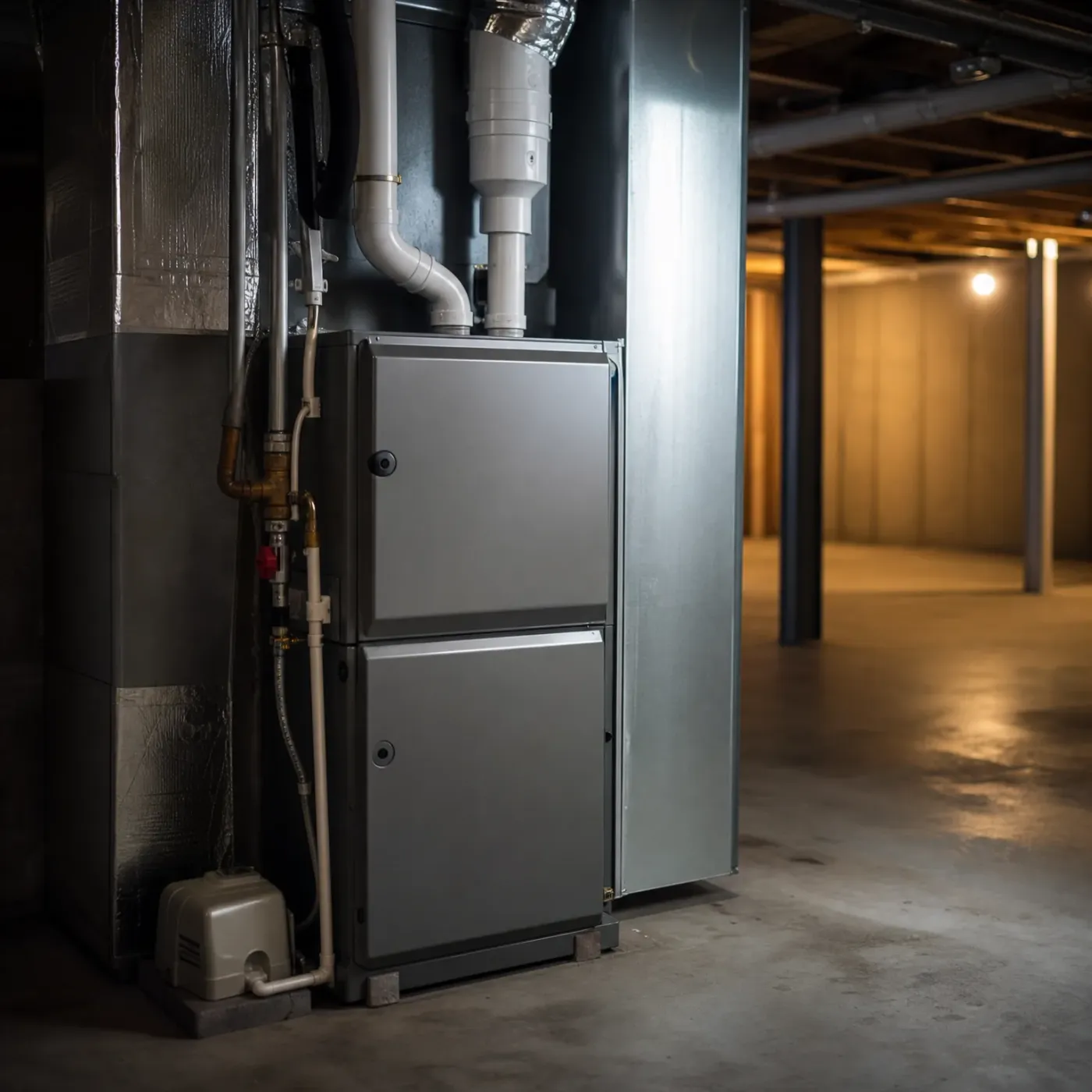
Let a pro reach outA furnace that runs but never catches the house up usually isn't heating the air as hot as it should, or it's not moving enough of that air around. In a gas furnace, that points to a flame sensor that's lost its signal, a dirty burner, or a blower motor losing strength. Sometimes it's simpler: a clogged filter chokes the airflow, so warm air can't get past the furnace fast enough to matter. If your thermostat is reading the room wrong, the furnace may be shutting off before the house is actually warm. None of these fix themselves by running longer. On a cold New Mexico night, a furnace stuck in one of these states will run and run while the house sits at 62 and never climbs. The furnace isn't broken in the sense of not working at all. It's working wrong, and that's a repair, not a thermostat setting.


A furnace going through the motions and a furnace actually heating the house are two different things, and the thermostat setting is often where that starts. Flip it to "on" instead of "auto" and the blower runs around the clock, moving air whether or not the burner is lit. Inside the furnace, a dirty filter chokes off airflow, and some units respond by cutting the flame early to keep the heat exchanger from overheating. A cracked or warped heat exchanger does something similar on its own, tripping a limit switch and shutting the burner down well short of the temperature you set. Gas furnaces also step up through stages before the blower hits full speed, so the air feels cool for the first few minutes no matter what. And if the supply ducts run through an attic or crawlspace, a leak there lets warm air escape before it ever reaches the rooms the thermostat is reading. A flame sensor caked with residue causes the same short cycling, reading a weak signal and closing the gas valve soon after startup.
Why the furnace runs but can't keep up
- A thermostat set to "on" runs the blower nonstop, pushing air through the ducts even when the burner isn't firing.
- A clogged filter starves the burner of airflow, and some furnaces will shut the flame down early to protect the heat exchanger.
- Gas furnaces ramp up through several stages before the blower reaches full speed, so the first few minutes always feel lukewarm.
- A cracked or warped heat exchanger can trip a limit switch that cuts the burner off long before the house reaches temperature.
- Leaky supply ducts in an attic or crawlspace let heated air escape before it reaches the rooms the thermostat is measuring.
- A flame sensor coated in residue reads a weak signal and shuts the gas valve soon after ignition, even while the blower keeps running.




Finding a pro stops being your job
A furnace that keeps running without warming the house usually gets worse before it gets better, especially on a cold New Mexico night when the burner can't keep pace with the air leaving your ducts. Left alone, a struggling blower motor or a fading flame sensor tends to wear down further, not recover on its own. Figuring out which one it is means finding a furnace tech, checking if they work on gas systems, asking when they can come out, and doing it again if the first one is booked for days or quotes a number that feels off. That's the part this page takes off your plate. Send the request and you're done hunting through listings and voicemail trees. One contractor who repairs furnaces in your area gets your information and reaches out. You go back to your day, and the next call you make is to let them in the door when they get there.
Why the burner shuts off early
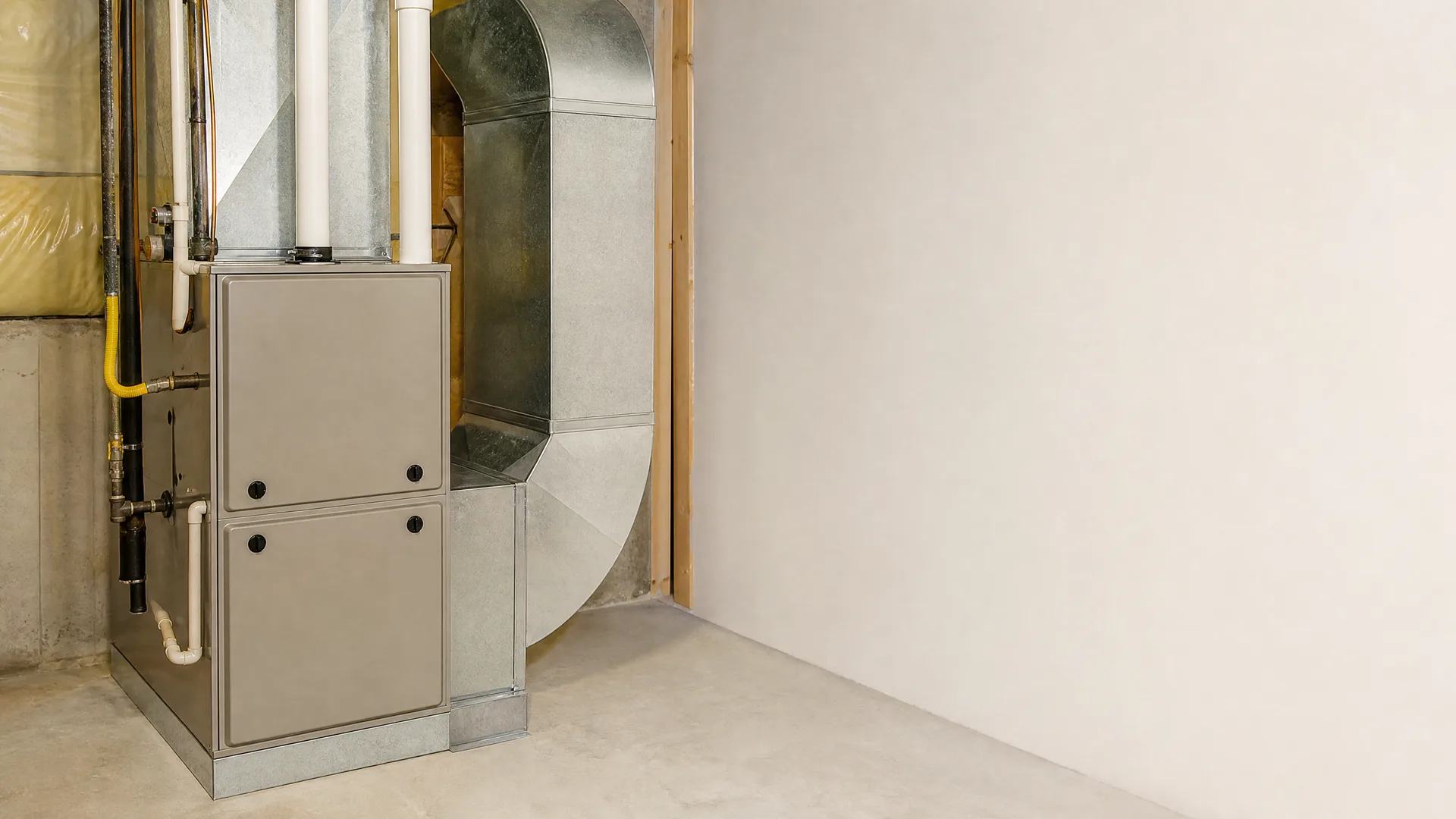
Every gas furnace has a limit switch that watches the temperature inside the heat exchanger. If airflow is weak, that metal heats up faster than it should, and the switch cuts the burner off before the house gets caught up. The blower keeps running afterward to cool things down. From the living room it just sounds like a furnace that never finishes the job.
What a cold snap shows you
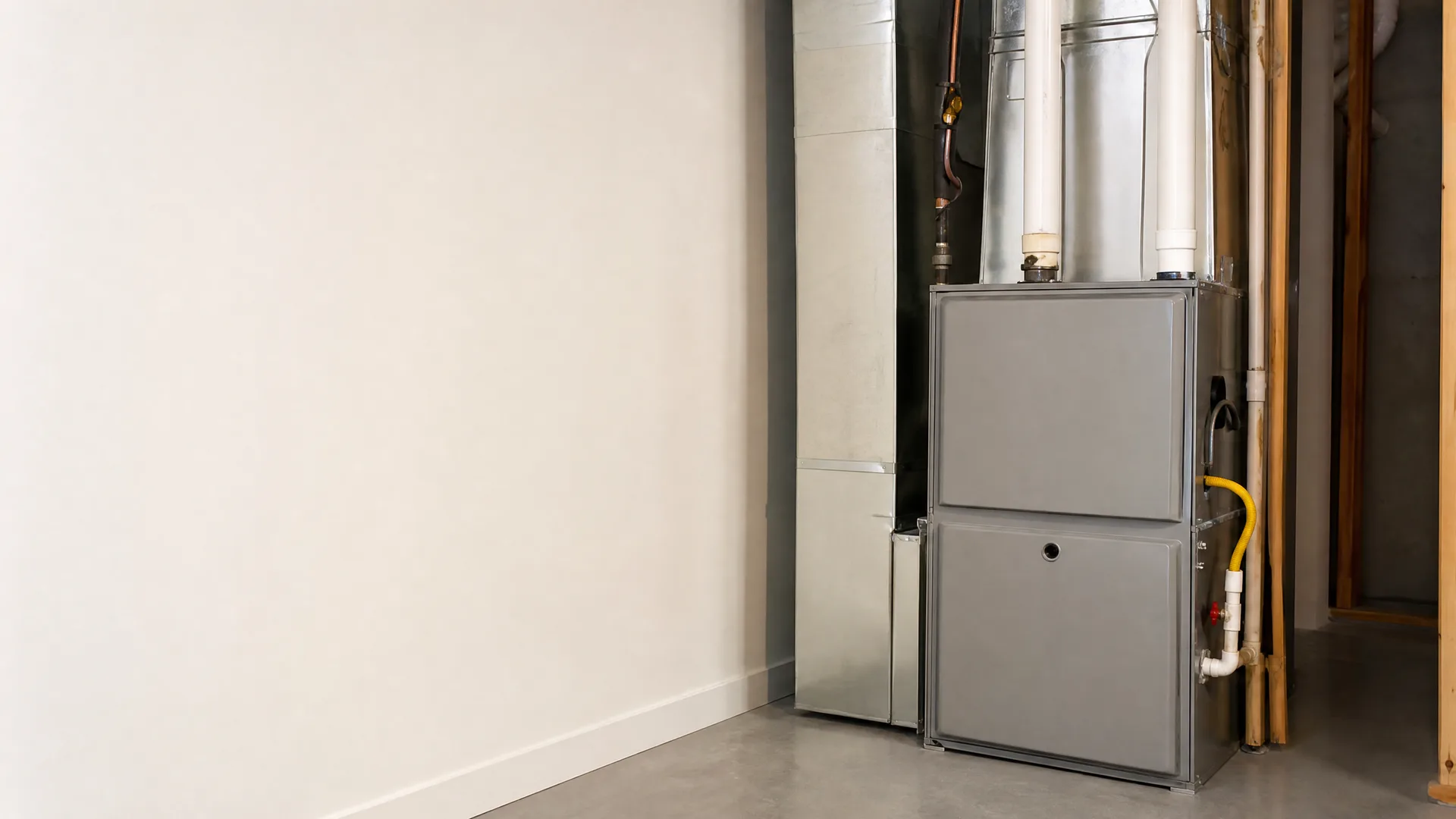
New Mexico nights can drop hard once the sun goes down, and that's when a marginal furnace gets found out. A burner that can almost keep up on a mild afternoon falls behind once the temperature outside falls into the 20s. If your house holds heat fine most days but loses ground overnight, that's the system telling you where the weak point is.
Winter nights average 23°F statewide
On a 23°F night, your furnace has to make up a lot of ground just to hold the house steady. If airflow is weak or the burner's not firing right, it falls behind fast and never catches up before morning.
NOAA nClimDiv 1991-2020 county normals weighted by homes
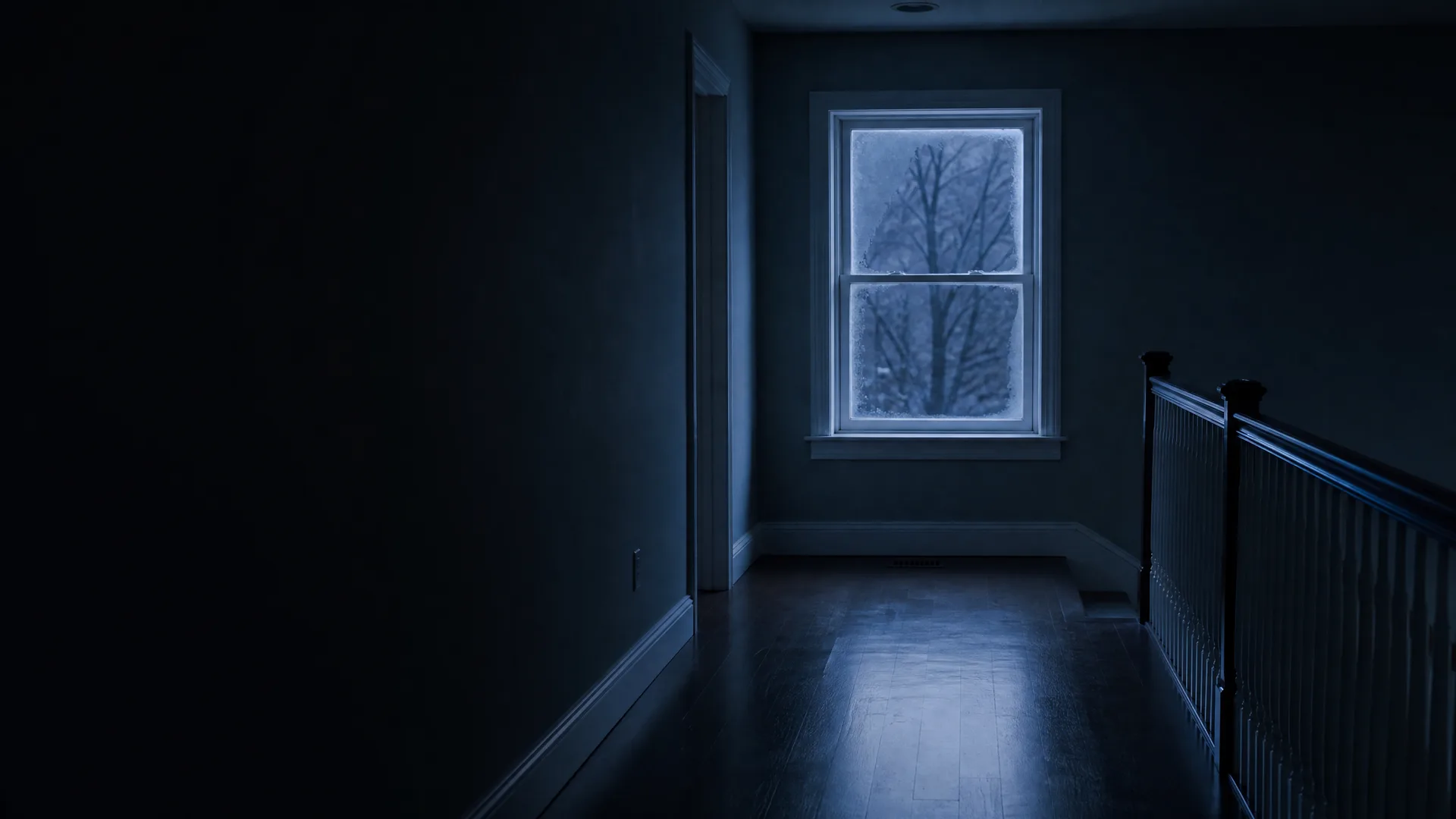
You wake up at two in the morning because your feet are cold on the hallway floor. The vent under the window isn't pushing anything, no sound, no warm air, nothing. You crouch down and hold your hand over the grate anyway. Outside the window the frost has crept up from the corners of the glass, and the hallway light switch is the only warm color in the house, that dim blue of a winter night in New Mexico when the sky is clear and the cold just settles in and stays. The furnace is running somewhere below you. You can hear it. The house doesn't know it.

Your furnace running isn't the same as your house getting warm
A furnace that stays on but can't catch up usually has one of a few causes: a weak blower, a dirty burner, a bad flame sensor, a limit switch cutting the flame short. A licensed contractor can check each of those and tell you which one is yours.
Instead of searching for a furnace repair contractor in New Mexico, calling a few, explaining the same cold-house problem to each one, and sorting through different quotes, you send one form. From there, finding someone to fix it stops being your job. That's the part that lifts off you, not the repair itself.


Let someone else find the pro
Explain the job once and skip repeating it on every call.