Tell us about the job
Takes about a minute. No obligation.
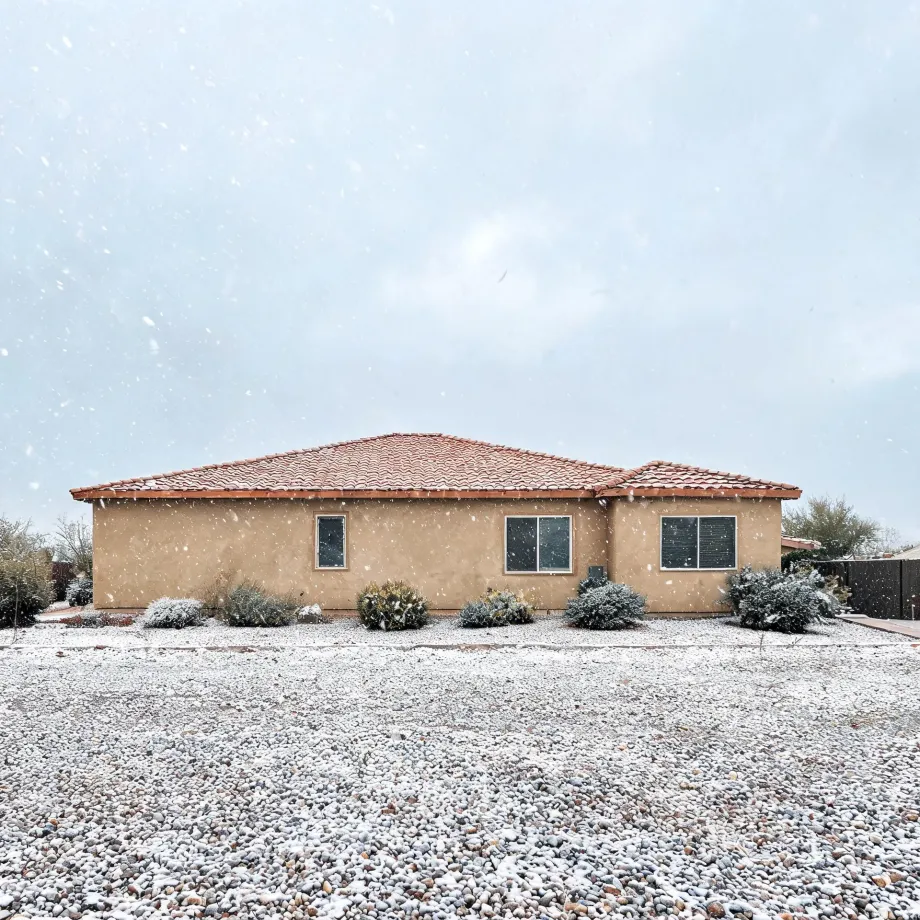
Homes in Rio Arriba County, NM run heat about nine months a year, from September through May. That schedule puts real work on the burner, the heat exchanger, and the ignition system every year. Each cycling season adds wear to the same parts, and by the time a homeowner notices a problem, those components have logged a long history of starts and shutoffs. A contractor diagnosing a furnace here checks the igniter and heat exchanger before anything else, because those are where failure shows up first in a system that runs this hard.
Furnaces running in older stock here have usually outlasted at least one prior system, which means the components a contractor finds inside are not always what the exterior cabinet suggests. Half the homes in Rio Arriba County, New Mexico were built in 1984 or earlier (2020-2024 ACS 5-year). A heat exchanger or control board from that era may have no current equivalent, and a contractor opening the unit has to confirm part availability before the repair scope means anything. If a direct replacement is not made, the job changes shape entirely.
The Parts of a Furnace a Contractor Checks First
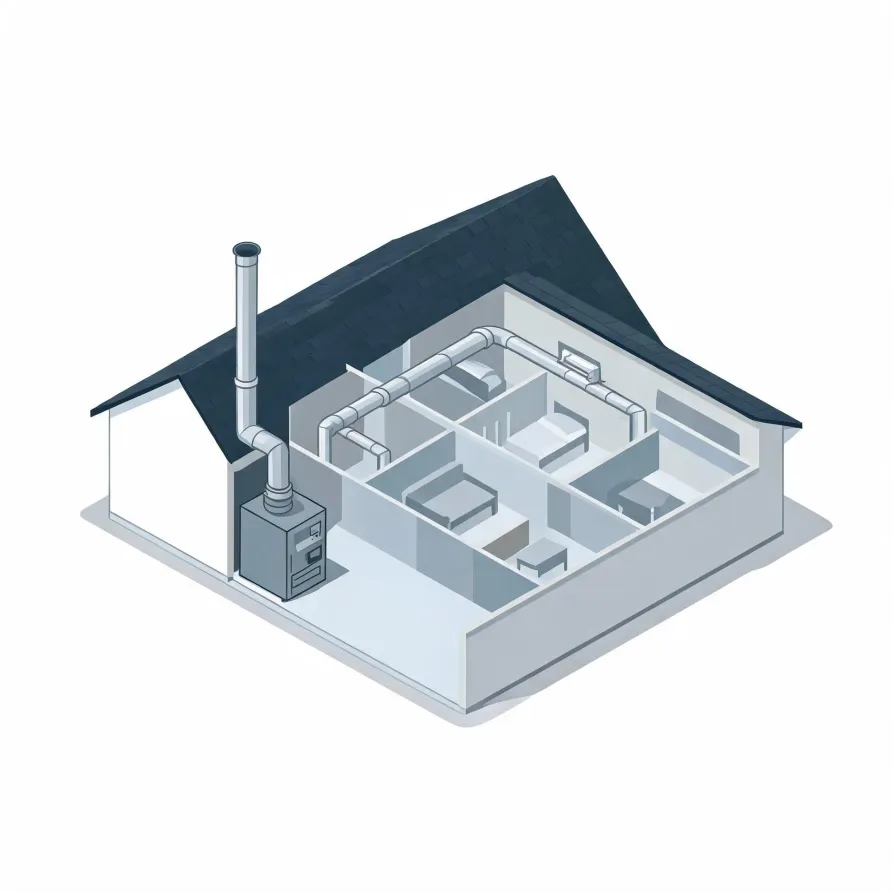
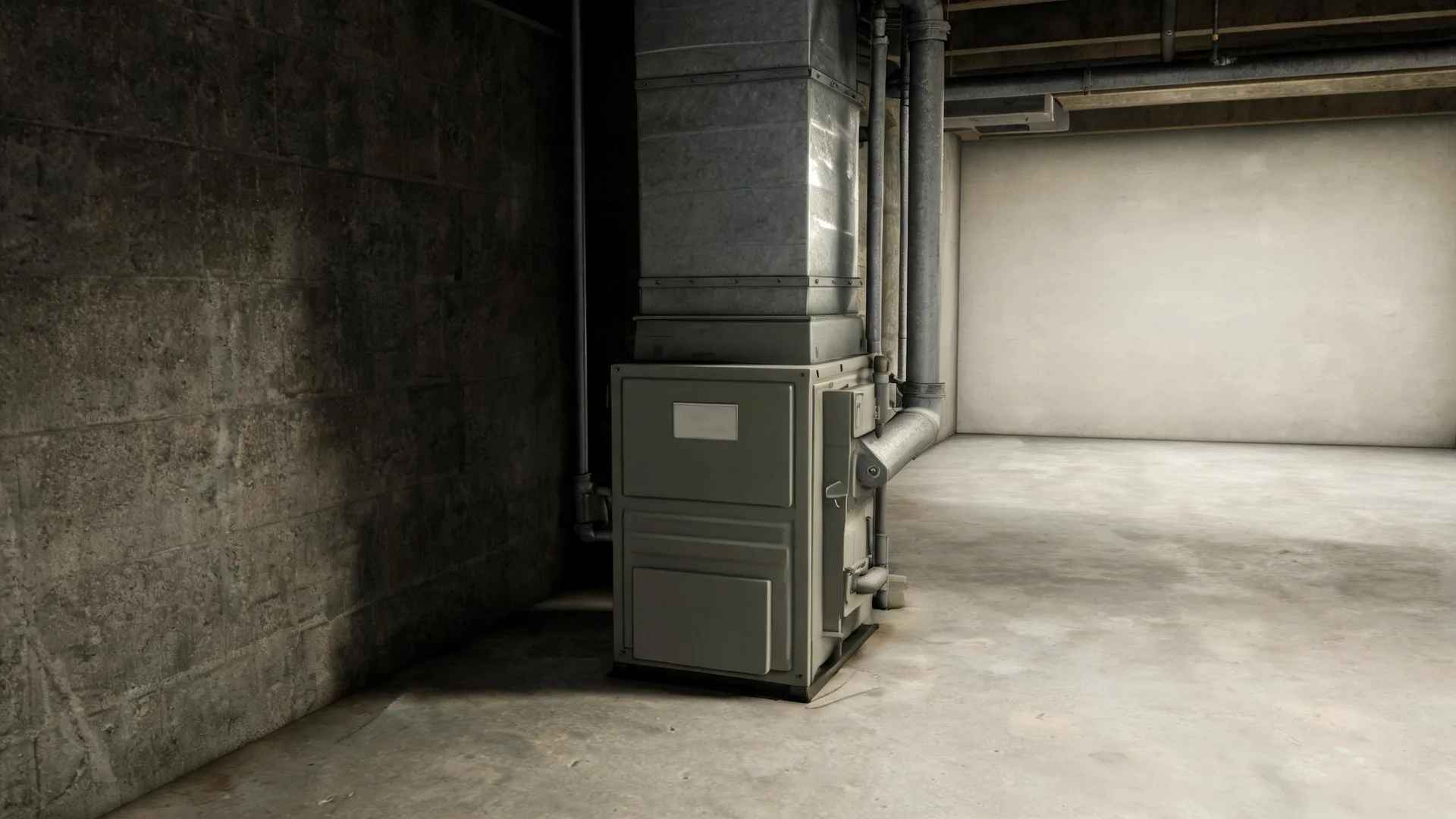
The furnace itself sits in a utility room, basement, or closet and is the piece a contractor looks at first. Inside it, the heat exchanger and burner assembly are common sources of trouble. A cracked heat exchanger, a fouled burner, or a failed igniter will each stop the system in a different way, and reading the symptoms points the contractor toward which one is the problem.
The blower motor and the control board sit inside the same cabinet. The blower pushes conditioned air out through the house, and when it runs poorly or not at all, the board is often where the diagnosis starts. The flue or vent pipe runs from the cabinet to the outside and is checked whenever combustion or pressure issues are suspected.
The drawing shows a typical furnace layout, and a licensed contractor determines which parts apply and what work is needed in your specific home.
Get matched in Rio Arriba CountyRio Arriba County, by the record
193 severe weather events were recorded in Rio Arriba County, New Mexico between 2015 and 2024.
NOAA National Centers for Environmental Information, Storm Events Database, bulk CSV export, events 2015-01-01 through 2024-12-31.Half the homes in Rio Arriba County, New Mexico were built in 1984 or earlier (2020-2024 ACS 5-year).
U.S. Census Bureau, 2020-2024 American Community Survey 5-Year EstimatesRio Arriba County, New Mexico holds 19,862 housing units (2020-2024 ACS 5-year).
U.S. Census Bureau, 2020-2024 American Community Survey 5-Year EstimatesOwners occupy 80.0% of the occupied homes in Rio Arriba County, New Mexico (2020-2024 ACS 5-year).
U.S. Census Bureau, 2020-2024 American Community Survey 5-Year EstimatesFurnace Repair Rules & Standards on the Books for Rio Arriba County, New Mexico6 sourced rules and standards
What HVAC Repair Looks Like in Rio Arriba County
Non-weatherized gas furnaces manufactured on or after November 19, 2015 must reach 80.0 percent AFUE.
Non-weatherized oil-fired furnaces manufactured on or after November 19, 2015 must reach 83.0 percent AFUE.
Mobile home gas furnaces manufactured on or after November 19, 2015 must reach 80.0 percent AFUE.
Non-weatherized gas furnaces manufactured on or after December 18, 2028 must reach 95.0 percent AFUE, up from the 80.0 percent minimum that applies to units manufactured before that date.
Licensing Rules for Contractors in Rio Arriba County, New Mexico
New Mexico’s contractor licence does not reach casual, minor or inconsequential work taken one project at a time and totalling no more than seven thousand two hundred dollars ($7,200) a year — but the exemption has to be declared to the division, it is not automatic.
New Mexico requires a contractor licence classified for the work being done: no person may act as a contractor without one, and mechanical work falls to the division’s mechanical bureau.
Severe Weather Events in Rio Arriba County
Extreme weather puts real strain on heating equipment, running it harder and longer than moderate conditions ever would. How much strain depends on what the local climate actually delivers, which is why the data below is specific to this area.
193 severe weather events, 2015–2024. Source: NOAA National Centers for Environmental Information, Storm Events Database.