

When a furnace flame sensor needs cleaning in New Mexico
Describe your furnace job, and a local pro who handles it gets in touch.
Get matchedA flame sensor needs cleaning once a year, usually right before you turn the furnace on for the season. The sensor is a thin metal rod near the burner that tells the furnace a flame is actually lit. Over time it builds up a layer of soot and oxidation, and once that coating gets thick enough, the sensor can't read the flame anymore even though the burner is working fine. That's what causes a furnace to fire for a few seconds, shut off, and try again, sometimes locking out and leaving you with no heat on a cold night. With gas heat as common as it is across New Mexico, that yearly cleaning before the system runs for months at a stretch is what keeps a dirty sensor from turning into a no-heat call in December or January. If your furnace has started short cycling or shutting off on its own, the sensor is the first thing worth having checked.
Winter nights average 23°F statewide
Nights like that mean your furnace is running long stretches to keep up, often straight through from evening to morning. That kind of steady runtime puts more hours on the flame sensor, so soot builds up on it faster than in a place with milder winters.
NOAA nClimDiv 1991-2020 county normals weighted by homes




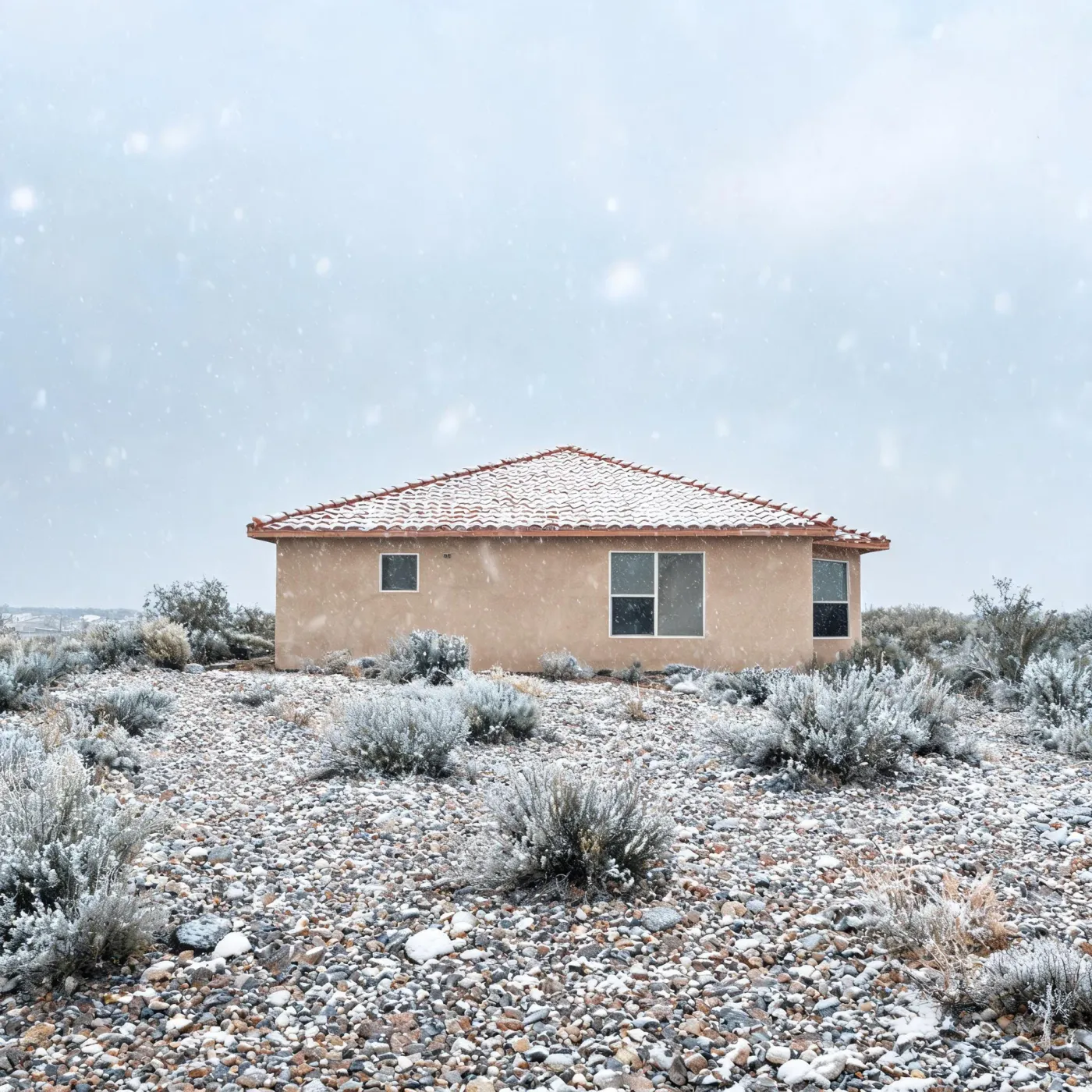
On a night that drops to 23°F, your furnace doesn't cycle on and off so much as just stay on, burner lit for hours at a stretch to hold the house steady until morning. Every hour of flame time leaves another trace of soot on that sensor rod. A furnace in a mild climate might go all season with light use and barely need the cleaning. Yours is working through long, cold nights all winter, and the buildup catches up with it. The sign at home is a furnace that fires, runs a few seconds, then shuts off and tries again, instead of settling into a steady burn.
NOAA nClimDiv 1991-2020 county normals weighted by homes

A furnace that won't stay lit, on the coldest night of the year
A dirty flame sensor doesn't fail all at once. It shows up as the furnace lighting, running a minute or two, then shutting off, over and over. In most New Mexico homes that happens overnight, because that's when the burner is working hardest. You end up checking the thermostat at 2 a.m. wondering why the house won't warm up, and by morning you're down to a cold house and a furnace that locks out entirely.
Once you're at that point, the usual scramble starts: finding a contractor who answers in the cold months, explaining the short-cycling over the phone, waiting on a callback, maybe doing that twice more before someone can actually come out. Getting matched with a contractor who handles your furnace and has them reach out to you skips straight past that part, so the search isn't what's standing between you and a warm house again.


The furnace calls for heat and gas flows to the burner.
The igniter lights the burner and flame surrounds the sensor rod.
The sensor reads the flame through a tiny electrical current.
Soot on the rod blocks that current from passing through.
Clean It Yourself or Call Someone
Clean it yourself
- You need the furnace panel off and a view of the burner compartment, which on some models takes a few screws and a steady hand.
- A light pass with fine sandpaper or an emery cloth on the rod clears the soot without pitting the metal underneath.
- You have to shut off power to the furnace first, at the switch or the breaker, before you touch anything inside the cabinet.
- If the sensor is cracked or the reading stays weak after cleaning, you're stuck ordering a part and finding the right one for your furnace.
- Skip a spot of soot or reseat the rod wrong and the furnace goes right back to that light, run, shut-off pattern overnight.
Have it done
- A contractor who works on furnaces every week knows the sensor's exact spot on your model without opening three panels to find it.
- Cleaning gets checked against the flame signal on a meter, so you know the current passing through the rod is actually strong again.
- You skip calling around, explaining the on-off cycling to three different companies, and sorting through quotes before anyone shows up.
- If the rod turns out cracked or pitted past cleaning, the part gets swapped out the same visit instead of becoming a second errand.
- Someone else checks the igniter and burner flame while they're in there, since a weak flame fouls the sensor faster than normal.

Skipping it for another year
The furnace will likely still light this winter. A sensor caked with soot usually gives you weaker and weaker signal readings before it fails outright, so you might get one more season out of it, maybe two. But you're betting on a night like 23°F to be the one it finally quits, and a furnace that won't stay lit in January doesn't wait for a convenient time to fail.

Having it cleaned now
A contractor pulls the sensor, cleans the rod, and checks the reading before putting the furnace back together. It's a small job, but it means you're not the one finding out at 2 a.m. that the burner won't stay lit. No searching for someone to call, no explaining the short-cycling over the phone, no sorting through quotes while the house gets cold around you.
Why does your furnace shut off a few minutes after lighting?
You'll hear the burner light, feel warm air start, then hear it cut out again a minute or two later. Sometimes it tries again on its own and runs a little longer before quitting. Other times it just stops and the house slowly cools until someone notices the vents have gone cold. That short-cycling pattern is what a soot-covered flame sensor looks like from the living room. It tends to show up on the coldest nights, when the furnace is leaning on that sensor reading for hours at a stretch instead of a quick cycle here and there. Left alone, the gaps between restarts get longer, and a house that heats with gas doesn't stay warm long once the burner stops answering the call for heat.



A local pro for your furnace maintenance
Answer a few questions instead of calling shop after shop.
Say what's going on with your furnace, and a pro who works on them reaches out.
Sending the form costs nothing.


Most of the sensor rod is coated in ceramic. Only the tip is bare metal, and that small bit is all the furnace needs to know a flame is really there. When it's clean, that tip sends back a signal strong enough that the control board just lets the burner keep running. No second-guessing. As soot builds up on that tip, the signal gets weaker before it quits altogether, so a furnace doesn't always fail all at once. You might notice it shutting off every third or fourth cycle before it starts doing it every time. The control board usually tries lighting the burner a few times in a row before it gives up and locks out the gas valve. That lockout can look like a bad igniter or a gas valve problem, especially if nobody pulls the sensor to check it first. Getting it out isn't a big job. It sits right next to the igniter in the burner compartment, held in with a couple of screws, which is why cleaning it is something a technician can usually knock out in one visit along with the rest of the furnace.
How the flame sensor actually works
- The sensor rod is ceramic-coated except for its tip, so only a small exposed section actually has to detect the flame.
- A clean sensor sends back a strong enough signal that the control board lets the burner run without a second thought.
- As the coating of soot thickens, the signal weakens before it disappears, which is why some furnaces shut off only every few cycles at first.
- Most control boards allow a handful of ignition tries in a row before they lock out and stop sending gas to the burner.
- Pulling the sensor out takes a couple of screws, since it's mounted right next to the igniter in the burner compartment.
- A worn or dirty sensor can read as a bad igniter or a gas valve problem if nobody checks it first.


A Clean Sensor, A Furnace That Stays Lit
- A flame sensor that gets cleaned once a year, before the cold sets in, keeps the furnace from quitting on the nights you need it most.
- Soot on the rod builds up faster here because long winter nights keep the burner lit for hours at a stretch.
- A furnace that lights, runs a minute, then shuts off is telling you the sensor can't read the flame anymore.
- Waiting another year doesn't fix anything, it just moves the failure closer to the coldest week of the year.
- Instead of calling around to different contractors and repeating the same explanation each time, you get matched with one who takes care of it.
- Comparing quotes and sorting through who's available is handled for you once you ask for help.
The flame sensor is a small part, but it decides whether your furnace runs or quits. Once a year, before the cold settles in for good, that rod needs the soot cleared off it so it can keep reading the flame the way it's supposed to. In New Mexico, where winter nights can keep a burner lit straight through until morning, that soot builds up faster than it would somewhere milder, which is why the once-a-year timing matters more here than the number itself suggests. Skip it and the furnace doesn't break all at once. It starts short-cycling, lighting for a minute, shutting off, trying again, usually on one of the colder nights when you're relying on it most. Waiting doesn't change the outcome. It just decides which night the sensor finally gives out.
Getting it cleaned doesn't have to mean the usual runaround. Instead of searching for a contractor, calling a few, explaining the same thing about your furnace cutting out over and over, then sitting with a handful of quotes trying to figure out who's actually available and worth hiring, you can skip straight to being matched with someone who takes care of it. The comparing, the repeating, the waiting on callbacks, that part goes away. What's left is the part that was always going to take someone's hands on the furnace: the cleaning itself.

Furnace Maintenance
Get the right pro for your furnace

- A local pro who services furnaces gets in touch about the tune-up.

- Once you send the form, finding a pro is off your list.
- After you send the request, you're done searching.

- Fill out one form instead of calling around for a furnace tune-up.
- Fill out one short form instead of calling around.

- Your request goes to one pro, not a list of companies.
- The pro who reaches out is licensed in New Mexico.