

Why your furnace won't turn on in a New Mexico winter

Tell a local repair pro what your furnace is doing.

Request a pro

Why won't my furnace turn on this winter?

A furnace that won't start on a cold New Mexico morning is more than an inconvenience. It usually means one of a handful of things has gone wrong between the thermostat call and the burner lighting, and most of them are small parts rather than a dead furnace.

Most likely a bad igniter, a dirty flame sensor, or a thermostat not sending the signal

Gas furnaces need several things to line up before the burners light: power to the control board, a signal from the thermostat, and a sensor confirming the flame once it catches. If any one of those fails, the furnace shuts itself off rather than run unsafely. A cracked igniter, a flame sensor coated with residue, or a clogged filter cutting off airflow are the usual reasons. With most New Mexico homes heating on gas through the winter, a furnace that won't start can mean no heat at all once overnight temperatures drop, which is why it's worth having someone look at it before the next cold snap rather than after.

A gray high-efficiency furnace in a basement with sheet-metal ductwork, white PVC vent pipes, metal plumbing lines, a condensate pump on the floor, and a window showing green trees outside.

When it's working right

A furnace that's running normally lights within seconds of the thermostat call, runs quiet, and pushes warm air through the ducts without hesitation. The burner flame stays steady and the blower cycles on and off without any delay or odd noise.


An older metal furnace with PVC and metal pipes stands on a concrete basement floor beside galvanized ductwork, with wooden stairs and a water tank in the background.

When it's in trouble

Dust built up on the cabinet and burners is a sign the furnace has gone a long time without a filter change or a look from anyone. A unit left like this can fail to ignite, trip its limit switch, or just quit on the coldest morning of the year.

A woman in a gray turtleneck sweater stands by a window looking outside at snowy ground, with a dimly lit living room containing a sofa, shelves, lamp and a lit candle behind her.
A woman in a cream cable-knit turtleneck sweater stands in a warmly lit living room with a fireplace and shelves behind her, looking out a window toward snow-covered trees and a railed deck.
A woman in a cream knit turtleneck sweater stands by a window looking out at snow, with a lit fireplace, sofa and lamp in the room behind her.
A woman in a gray knit sweater sits by a window looking out at falling snow, with a dimly lit living room containing a sectional sofa, pillows, a lamp and houseplants behind her.

The startup sequence, step by step

  • The thermostat sends a low voltage signal to the control board before anything else happens.
  • The control board checks the pressure switch and limit switch for a safe signal before allowing ignition.
  • The inducer motor has to spin up and prove draft before the igniter is allowed to glow.
  • A hot surface igniter has about 10 to 15 seconds to glow and light the gas before the board shuts down the cycle.
  • The flame sensor has to detect the burner flame within a few seconds or the gas valve closes again.
  • Most furnaces give up after three to five failed attempts and lock out until someone resets or repairs them.

A furnace doesn't just light. It runs through a short checklist first, and a failure at any point stops the whole thing cold. The thermostat starts it by sending a low voltage signal to the control board, nothing more than a request to start. The board won't move forward until it sees a safe reading from the pressure switch and the limit switch. Those two are checking for proper draft and safe temperature before any gas gets involved. Once that clears, the inducer motor kicks on to pull air through the heat exchanger and vent it outside, and the board watches for proof that it's actually spinning and creating draft. Only then does the igniter get the signal to heat up. A hot surface igniter glows for about 10 to 15 seconds, enough time to get hot enough to light the gas as it's released. If no flame shows up, the board cuts it off right there. When the burner does light, the flame sensor has only a few seconds to confirm it's burning before the gas valve closes again as a safety measure. If any one of these steps fails, the board doesn't keep trying forever. Most furnaces allow three to five attempts before locking out completely, waiting for a reset or a repair before trying again.

A basement utility area with a gray furnace, sheet-metal ductwork, pipes, plastic-covered walls, a concrete floor, and a black shelving unit holding storage bins.
A furnace in good shape fires on the first call, and the ductwork and gas line sit clean and dry with no sign of strain.
A gray metal furnace with louvered vent panels stands on a concrete basement floor beside galvanized ductwork, gas and plastic pipes, and foil-faced insulation along the ceiling and wall.
Rust on the cabinet and a worn gas line like this often sit right next to the part that quit.
  1. Thermostat sends a call for heat to the control board.

  2. Control board checks the pressure switch and limit switch first.

  3. Inducer motor spins up to clear exhaust from the heat exchanger.

  4. Pressure switch closes once it senses the inducer's draft.

A beige furnace with two access panels stands against a concrete basement wall, with galvanized sheet-metal ductwork, a white PVC pipe, flexible conduit and insulated ducting around it.
Before you get your furnace repair
A gray furnace with white PVC vent pipes stands beside sheet-metal ductwork in a basement with a smooth concrete floor, exposed wood framing, and plastic sheeting on the walls.
After you get your furnace repair

A local pro for your furnace repair

Once you send the form, finding a pro is off your list.

You only hire the pro if you want to.

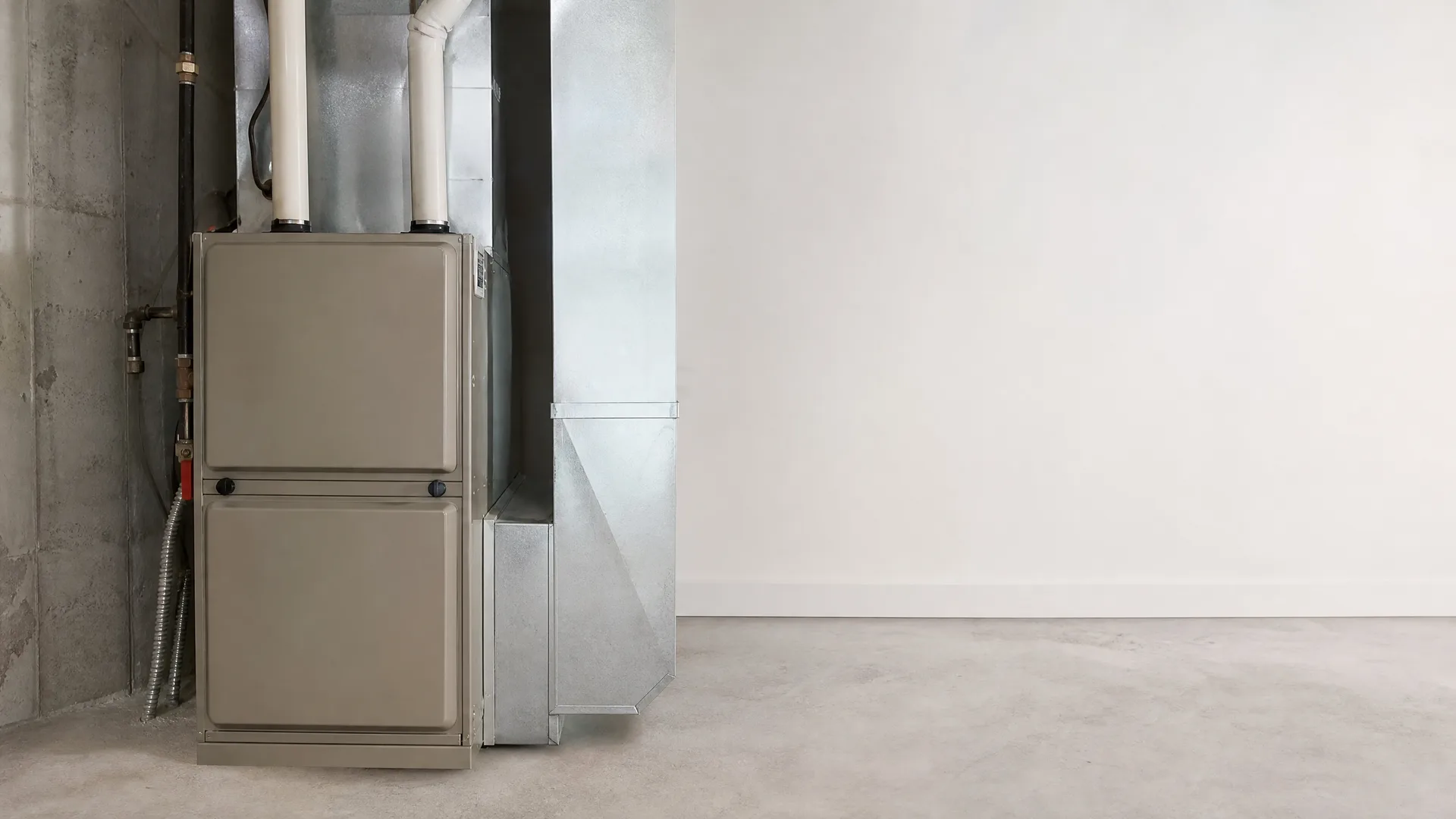
A beige high-efficiency furnace with two white PVC pipes stands beside sheet-metal ductwork and a concrete wall in an empty basement with a bare light-colored wall and concrete floor.

Cold air pulls more from ignition

A furnace lighting on a morning near freezing has to push flame through air that's colder and denser than it is in fall. The igniter has one shot to get the gas lit before the control board shuts the valve down on a failed trial. A cracked igniter that still glows weak in October often won't produce enough heat once it's working against real cold, and that's when it finally gives out.

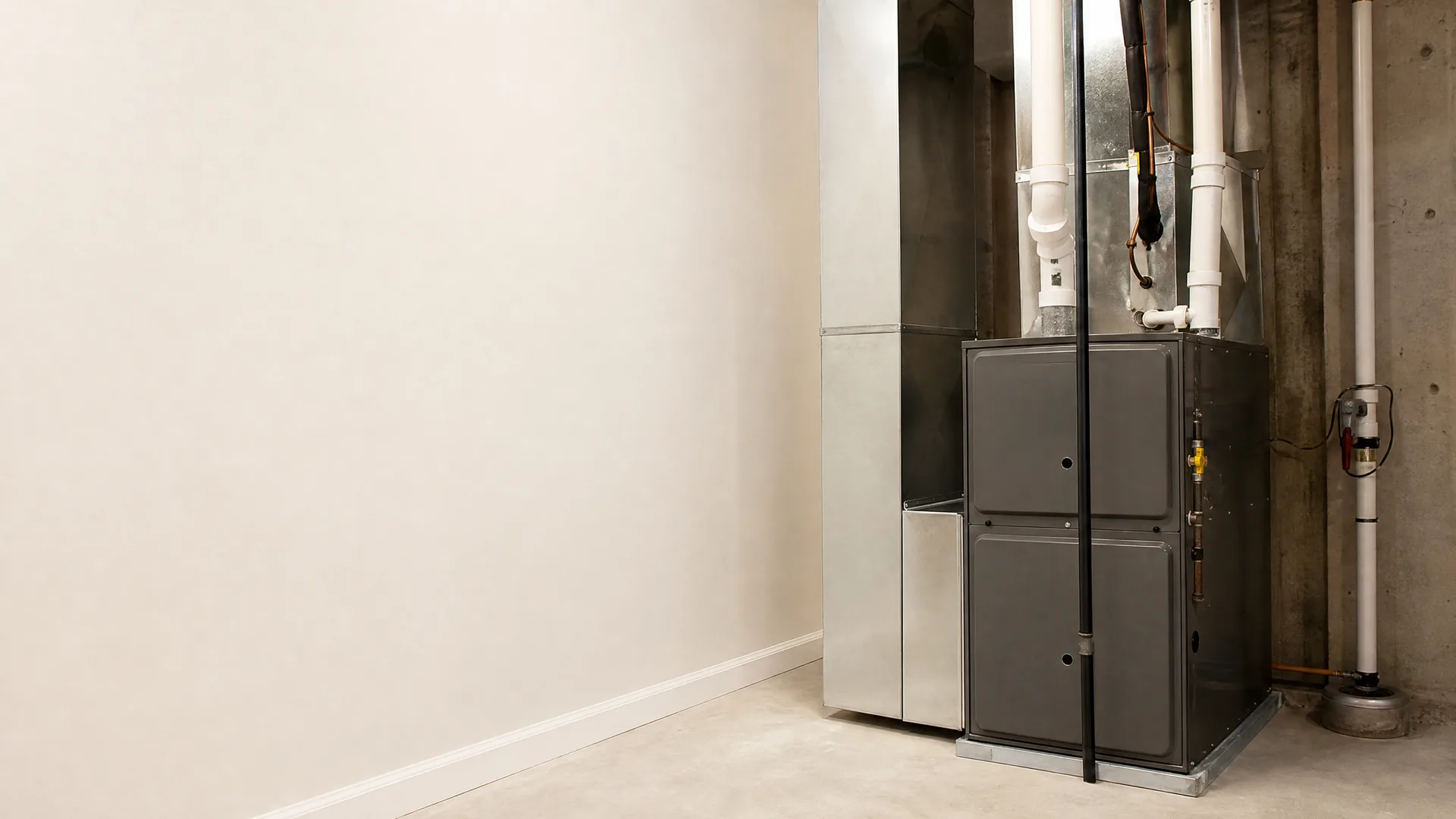
A gray furnace with sheet-metal ductwork and white PVC vent pipes stands in the corner of a finished basement room with a blank beige wall and concrete floor.

Dry air affects the flame sensor

New Mexico's dry winter air carries less moisture than summer air, but it also carries more dust through the return vents. That dust settles on the flame sensor, a thin metal rod that has to read the burner flame correctly or the control board assumes no flame exists and cuts the gas. A sensor that worked fine in September can fail by January just from dust buildup, with no other part involved.

Call for Help or Check It First

Call a tech now

  • A furnace that won't fire on a morning near freezing can leave a house cold within a few hours, especially overnight.
  • A tripped limit switch or failed igniter won't clear itself, no matter how many times you reset the thermostat.
  • Repeated attempts to light can trip the control board into lockout, which adds a second problem on top of the first.
  • Gas smell, soot near the burner, or a furnace that tries to light and then shuts off are signs that need a look before the next cold night.
  • Getting a tech out while it's still a single bad part keeps it a simple repair instead of a bigger one.

Check it yourself first

  • A thermostat set below room temperature or switched to cool instead of heat stops the call for heat before it starts.
  • A breaker that tripped or a furnace switch that got bumped off will stop the furnace cold with nothing actually broken.
  • A clogged filter can choke airflow enough to trip the limit switch, and swapping it costs nothing but a few minutes.
  • If the furnace has a standing pilot, checking whether it's lit is worth doing before anything else.
  • A battery-powered thermostat with dead batteries will show a blank screen and send no signal at all.
A dark high-efficiency furnace on a concrete pad in a basement, connected to galvanized ductwork, white PVC vent pipes, and copper and black gas piping, with concrete walls and wood framing nearby.

Running clean

A furnace in good shape sits on a dry pad with tight metal ductwork overhead and copper gas lines feeding it without a mark of corrosion. The PVC vent and condensate pipes run clear and white. Nothing here is straining, and the burner lights the moment the thermostat calls for heat.

A gas furnace with a louvered upper panel stands on a concrete pad in a basement, flanked by sheet-metal ductwork, white PVC and metal pipes, and insulated columns.

Showing its age

An older furnace like this one often sits connected to a flexible metal line instead of rigid duct, a sign of a patched-together setup. The condensate line still drains, but rust and wear like this usually mean a part nearby, an igniter or a switch, is close to failing on a cold morning.

Winter nights average 23°F statewide

A 23°F night is normal here, not a cold snap. Your furnace has to fire on that kind of morning most days of the winter, not once in a while. Any part that's been struggling, a weak igniter or a slow pressure switch, tends to give out on nights like this first.

NOAA nClimDiv 1991-2020 county normals weighted by homes

A furnace that won't light is doing one of a short list of things: failing to get power to the board, failing to prove draft, or failing to catch a spark. None of those fix themselves, and none of them need to stay a mystery past this morning. You've already checked the thermostat and the breaker, and if it's still cold air or no air at all, the part that's failing needs a hand on it, not another reset. New Mexico winter mornings don't give a weak igniter or a slow pressure switch any slack, and waiting a few more days just gives the same part another cold start to fail on. Send the form and the search for someone qualified is off your plate. You don't have to know whether it's the inducer or the limit switch or the flame sensor. Someone who works on these every day will. That's the part of this that stops being yours to carry once you've sent it.

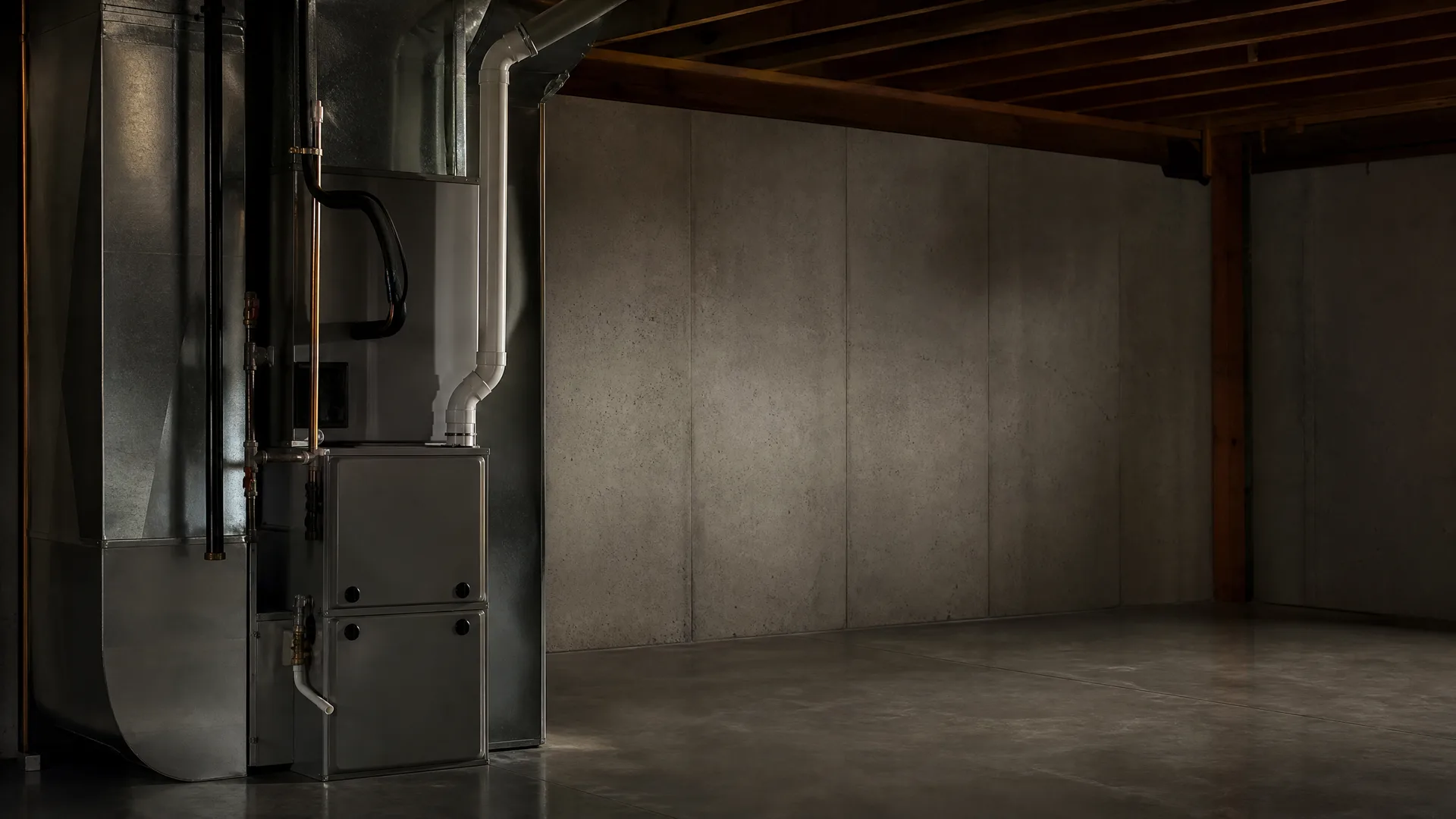
A dimly lit basement with concrete floor and walls, exposed wood joists, and a furnace with sheet-metal ductwork and copper piping on the left side.

Get the right pro for your furnace

After you send the request, you're done searching.

Step 1 of 3: Equipment